Mold Inspection & Testing in Hemet and San Jacinto
An inspection is worth something only if it starts in the right place. In this valley that changes house to house. If your floor sits on a steel chassis with a sealed underbelly, we start underneath, because a plumbing run beneath the floor discharges into that closed cavity and stays there — held against wood framing and insulation instead of draining to soil. If the house has a raised foundation and a real crawl space, we go under it with lights and a meter. If it is slab-on-grade, we work the perimeter of wet flooring and the water heater, laundry and kitchen supply runs first. Same complaint, three different starting points.
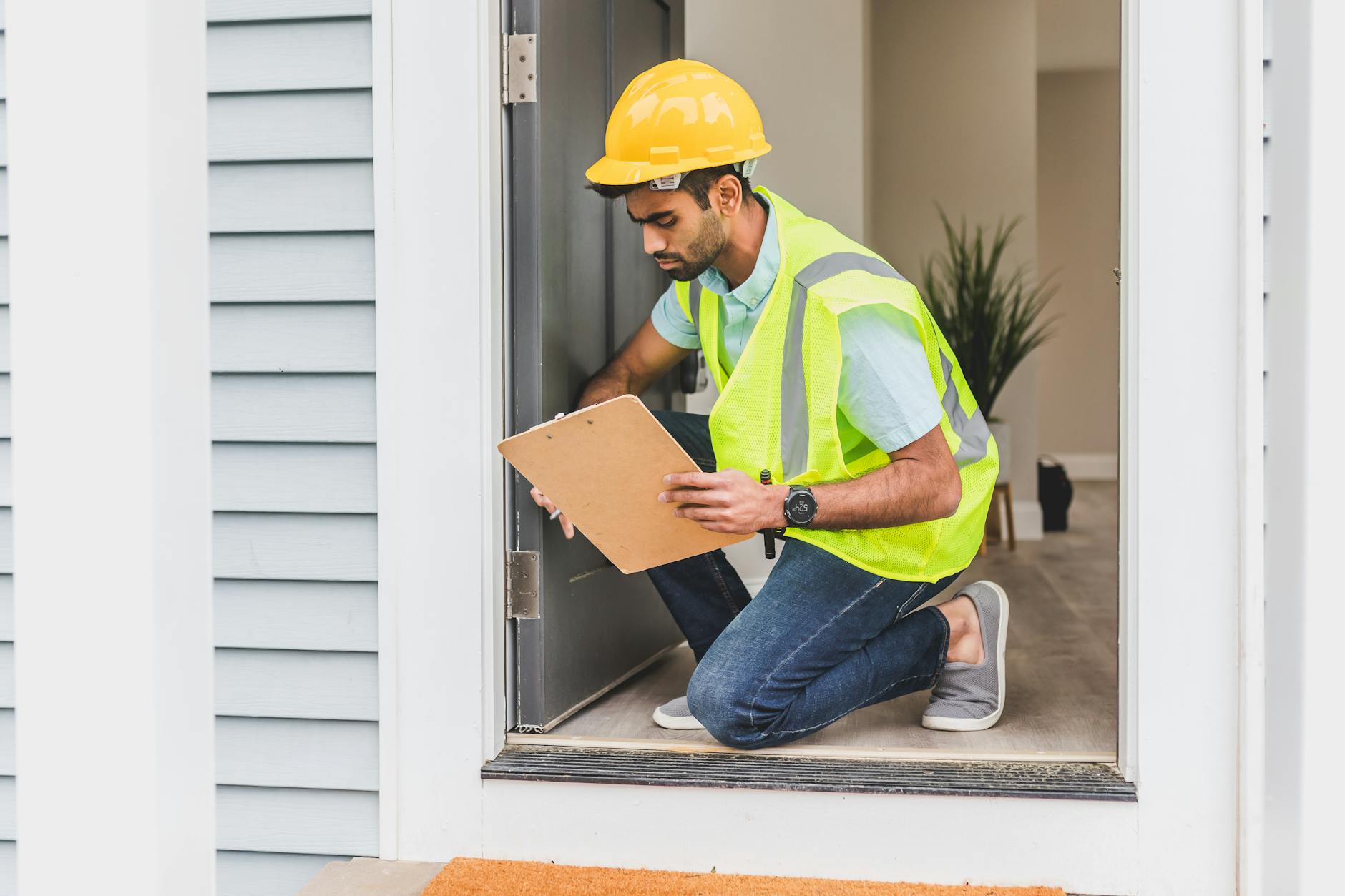
We walk the whole envelope before drawing conclusions. A thermal camera shows temperature differences behind drywall and above ceilings, which tells us where to put a moisture meter, and the meter tells us whether the material is actually wet. That two-step matters, because a shadow on a ceiling can be a decades-old stain that dried out long ago, and a wall that looks perfect can be soaked behind the paint. We also read the outside: the roof and its flashing, patched flat sections, where a room addition ties into the original structure, whether irrigation is throwing water onto stucco every morning.
Cooling equipment gets its own pass. Through a cooling season this long, condensate lines and pans do a great deal of quiet damage. We look at the drain line for a partial block, the pan for rust or a crack, the plenum and the return for wet insulation, and the wall or floor immediately below the air handler. If there is an evaporative cooler, we check the pan, the float, the supply line, and the roof or wall penetration around it, because water from a cooler tends to travel along framing before it appears anywhere visible.
Testing is used where it answers a question, not automatically. Air samples compared against an outdoor baseline tell us whether spore counts inside are elevated. Surface samples identify what is growing on a specific material. If mold is already visible and the water source is obvious, sampling often adds cost without changing the plan, and we will say so. Where testing does help is confirming a suspicion behind a wall, sorting out a smell with no visible source, documenting conditions for an insurer, or verifying that finished work is actually clean.
What you get is a written report: where moisture readings were elevated and by how much, what we believe caused it, how far the affected material extends, photographs, and lab results if samples were taken. Anything that needs a plumber's camera or a roof repair is named specifically. That report is written to be handed to an adjuster, a family member helping from out of town, or a community manager who has to approve the work.
A lot of our inspections happen because a house was closed up while the owners were travelling. A slow leak in an empty house is not found the day it starts; it is found weeks later, when the air inside has gone stale and warm and the material has had time to grow. If you have come home to a smell that was not there when you left, tell us how long the house was closed and roughly when the last person was inside. It narrows the search considerably.
What We Do
- Inspection starts where your floor and plumbing are actually built, not from a script
- Thermal imaging plus moisture meters — findings confirmed, not guessed
- Cooling equipment, condensate lines and cooler pans checked as a matter of course
- Air and surface sampling used when it will change the plan
- Written report with photos, readings and the moisture source named